01Market position
The exact address
Street, building, aspect, garden access and outlook can change demand materially within a few hundred metres.
Selling in Chelsea · SW3 · SW10
Your home. A considered appraisal.
A useful appraisal explains the price, the likely buyer and the campaign. Mark considers the precise address, usable space, condition and ownership details alongside relevant sales and today’s competition. Start with a personal conversation about your house or flat, without committing to a public launch.
Mark’s view
“A useful Chelsea valuation is not a postcode average. It is an opinion on the precise home, the buyers most likely to act and the campaign required to make its advantages commercially clear.”Mark Breffit · Founder
The local seller read
Street, building, aspect, garden access and outlook can change demand materially within a few hundred metres.
Tenure, service charges, planned works and condition must be understood early—especially for flats.
We decide whether private, targeted or fully public marketing will create the strongest result without unnecessary noise.
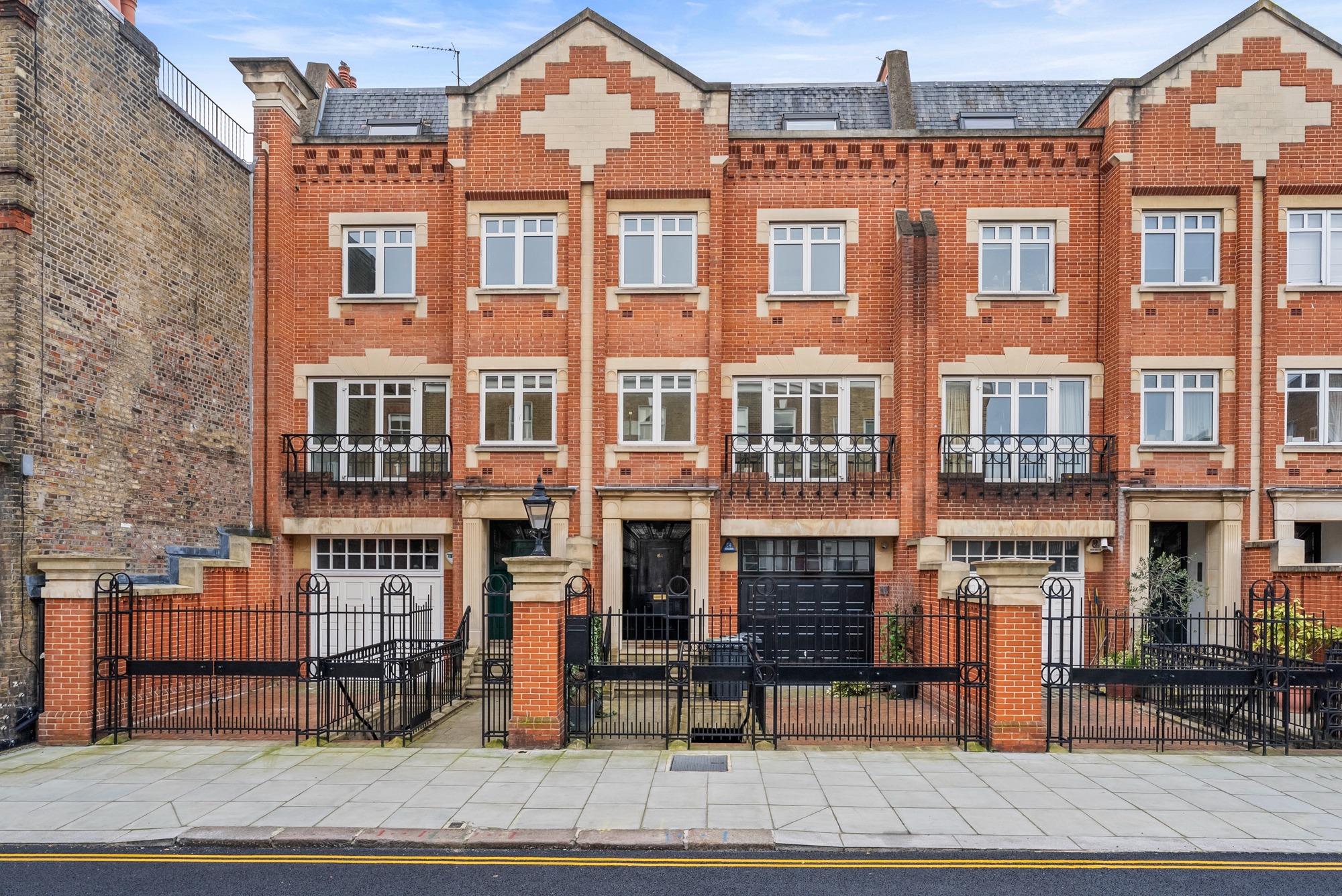 For sale · £7,895,000
Proof, not promises
A substantial Chelsea house close to the King’s Road, presented by KnokKnok with founder-led advice and a campaign designed for both local and international buyers.
See the property or campaign ↗A family house around Chelsea Green, a mews off the King’s Road and a home near the river answer different briefs. We look at the street, width, room balance and natural light before reaching for a price per square foot. The relationship between the kitchen, reception rooms and garden often explains the home more clearly than its bedroom count.
Usable accommodation matters. A lower-ground room, a loft and a principal reception floor should not be treated as interchangeable space. Bring a measured floorplan, the details of completed improvements and documents you hold for alterations. Proposed potential should be kept separate from what a buyer can use today.
A mansion flat, a period conversion and a modern apartment need different comparisons. Floor level, lift access, outlook, light, ceiling height, storage and the arrangement of outdoor space should sit beside the internal specification. Access to communal gardens is a particular right to check, rather than an assumption based on the address.
Gather the lease information, current service-charge figures and known planned works. Buyers need to understand the practical ownership position as well as the interiors. Your conveyancer can explain the legal documents and any questions about rights, obligations or alterations; the campaign should describe only the details that have been checked.
Ask which homes support the proposed range, when their prices were agreed or recorded, and how they differ from yours. An asking price describes the competition. A completed sale provides evidence of a transaction, often negotiated earlier. Neither becomes a valuation simply because it shares an SW3 or SW10 postcode.
If you are already listed, bring the price history, enquiries and written viewing feedback. Limited enquiries, repeated objections at viewings and stalled offers point to different questions. Review the evidence before deciding whether to change the price, the presentation or the route to buyers.
For a private introduction, agree who may receive the price, photography and particulars, how viewing requests will be qualified and when to review the response. For a public launch, the opening images and description should make the home’s most convincing advantage immediately clear.
KnokKnok combines editorial presentation, film and social distribution with accurate property information and personal follow-up. Flood Street shows a Chelsea instruction; its live page carries its current details. It is an example of presentation, not a comparable sale or a promise of the same result for another home.
Before you instruct
Yes. The first conversation and appraisal are without obligation.
Yes. A valuation does not require a public launch, and any later marketing can also be handled privately.
Yes. We advise on houses, mews, mansion flats, lateral apartments and period conversions across SW3 and SW10.
The postcode, property type and a brief description are enough to begin. Lease and service-charge information is helpful for flats.
The exact street, width, usable space, room balance, light, condition and outside space all matter. We compare these with relevant homes, keeping completed transactions separate from advertised asking prices and explaining the differences.
Yes. Share the listing, price history and viewing feedback. Mark can discuss where interest is stopping and whether the next step concerns price, presentation, missing information or exposure. Check your current agency terms before making a new instruction.
Yes. Houses need close attention to layout, usable space, condition and gardens. For flats, the floor, outlook, access, lease, service charges and building arrangements are also central. A broad price-per-square-foot average cannot explain every difference.
No. An asking price is an advertised position. A completed sale is transaction evidence, which may reflect an earlier negotiation. We explain the dates, limitations and relevance of each when discussing a marketing range.
Put the advice to work
Answer six questions to see what your campaign should investigate first.
Build my campaign outline →No email requiredGet your home ready for market: the preparation guide ↗Read: why London flats are not selling ↗A useful first step