
Begin with the possibility
Selling a home is the start of something: more space, a different neighbourhood, a simpler life or a new chapter altogether. Preparing for it should feel purposeful. You are getting ready to introduce a place you know intimately to someone seeing it for the first time.
The aim is to make the best of your home easy to see, easy to understand and worth coming to view. Start with a walk around it. What is genuinely special? The morning light, a generous kitchen, a garden that feels private, or a room that works beautifully for everyday life? Those details are the beginnings of the campaign.
1. Walk in as a buyer would
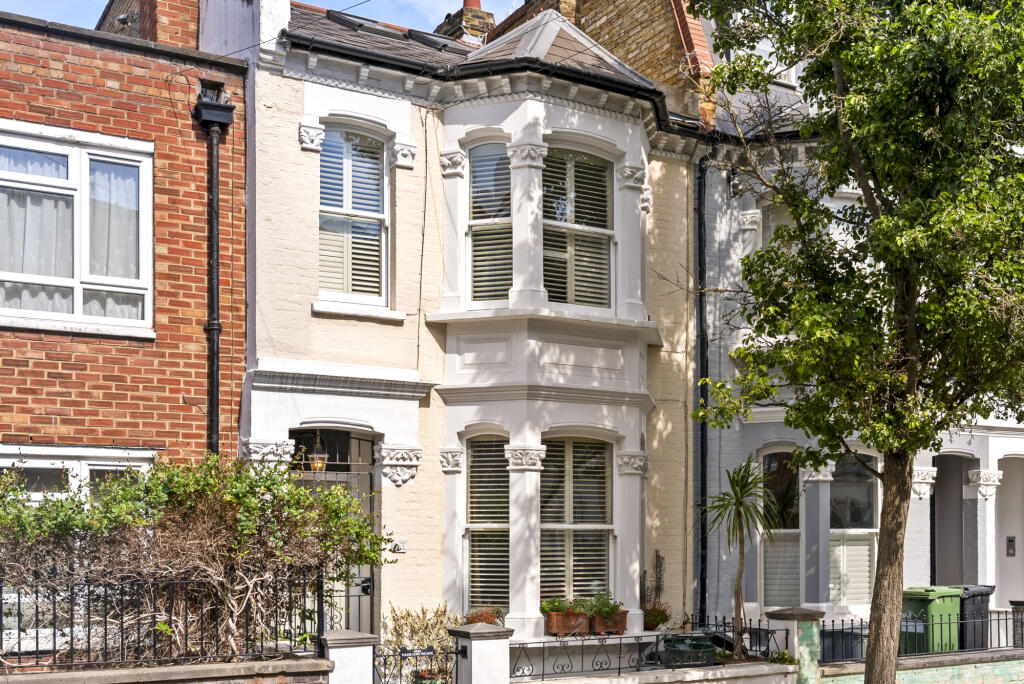
Begin at the pavement. Look at the gate, the entrance, the front door and the hallway. Then walk the route a first-time visitor would take. Make a short list of distractions and a separate list of the features you want someone to remember.
A clean entrance, an easy route through the hallway and a welcoming first room can help the visit feel considered. For a flat, include the approach through the communal building and discuss any maintenance concerns with the appropriate person.
2. Give the rooms some breathing space
Clear enough from surfaces and walking routes for the shape of a room to become obvious. A dining table should look ready to use. A bedroom should feel like somewhere to rest. If a spare room has become storage, decide which useful purpose you want the photography to show.
Keep the details that give the home warmth and character. Books, a favourite chair, considered artwork and a well-placed lamp can help a room feel lived in. The test is whether the room’s best features remain easy to see.
3. Make a short, sensible repair list
Start with the jobs you have stopped noticing: a loose handle, a sticking cupboard, a missing bulb, tired sealant or scuffed paintwork. Group the manageable jobs together, then arrange a thorough clean, including windows where it is safe and practical.
Discuss larger spending with your agent before committing. A new kitchen or bathroom is a substantial decision, and there is no automatic promise that a buyer will repay the cost. Focus on work that is appropriate to the property and its likely campaign. Address known defects honestly; decoration should never be used to conceal a problem.
4. Prepare the information alongside the rooms
Ask your agent and solicitor what information they need early. Depending on the home, this may include title and tenure details, records for alterations, permissions, certificates and guarantees. If you have a mortgage, check the outstanding balance and any charges with your lender as part of your moving budget.
Check whether the property has a valid Energy Performance Certificate. Where one is required and a valid certificate is not already available, arrange it before marketing. Your agent can help establish the next step. The official guidance is linked below.
For a leasehold flat, ask your solicitor what building and management information to obtain. Getting the right questions underway early gives you a clearer picture of what still needs attention.
5. Treat photography and film as a planned shoot
Tell the photographer when the main rooms get their best light. Prepare the garden or terrace, put everyday clutter away and agree which features should lead the story. Remove private documents and personal information from view before anyone starts filming.
Think about the sequence: the opening image that earns attention, the rooms that explain the lifestyle and the details that make the home memorable. Pair the creative work with an accurate floorplan and clear particulars. The film should leave a buyer wanting to see the real property.
6. Launch with a plan you understand
Before the home goes live, discuss the evidence behind the asking price, the audience the campaign is trying to reach and the practical arrangements for viewings. Agree how you will hear about enquiries, what useful feedback looks like and when the campaign will be reviewed.
You should be able to explain the plan in a few sentences: why this home, who it could suit, what makes it distinctive and how the right people will discover it. That is what “Every property is a campaign” means in practice.
Your first move can be a small one
Choose one room, one outstanding job or one document to find. Then work through the preparation checklist above. You do not need every answer before speaking to Mark: the conversation can help you decide which jobs matter and which can wait.
A considered launch begins with understanding the home. The next chapter starts there.