
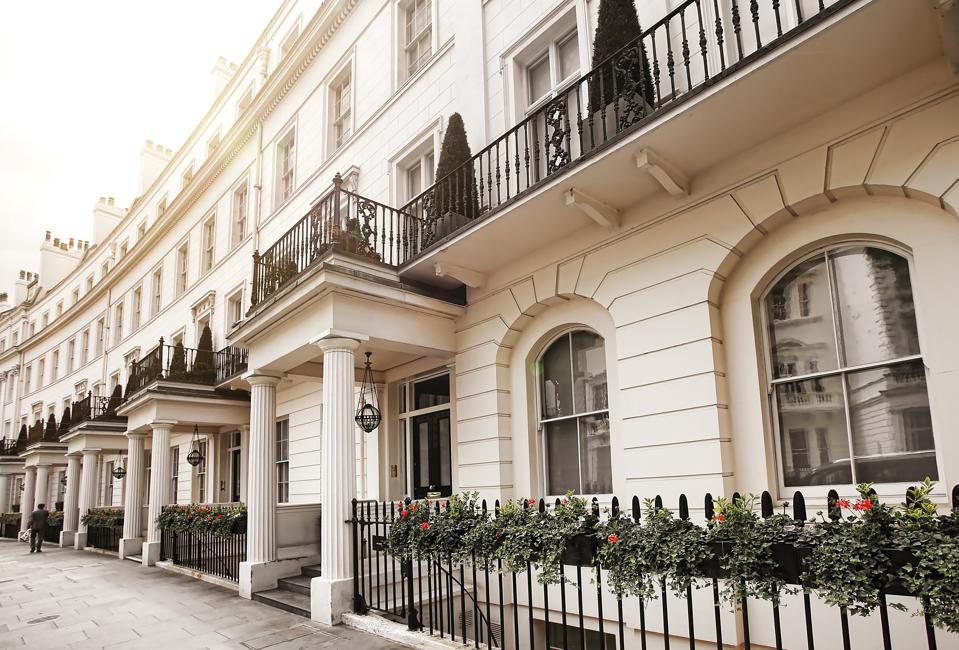
The October decision
There is a useful difference between being visible and being understood. A home can appear on every relevant portal and still leave a buyer uncertain about its price, its layout or what ownership will involve. In Chelsea and Belgravia, those unanswered questions deserve as much attention as the opening photograph.
Our approach this October is to build the campaign around three decisions: the evidence behind the price, the reason the right buyer should view, and the information that makes a move possible. Start there, then choose the appropriate level of exposure.
This edition was prepared on 6 October 2026. The figures below cover earlier reporting periods. They describe the wider market and are separate from KnokKnok’s advice about an individual home.
Read the figures at the right scale
The facts: In its July 2026 provisional House Price Index, ONS reports an average of £1,233,000 for Kensington and Chelsea, down 14.1% over the year. Westminster’s figure is £877,000, down 20.7%. Both pages were updated on 16 September. These are borough-wide estimates based on completed transactions, not current asking prices or a valuation of Chelsea and Belgravia’s prime houses. Kensington & Chelsea data · Westminster data.
ONS warns that local estimates can be volatile and are subject to revision. The boroughs cover different homes and neighbourhoods; neither series isolates the particular street, building or property a seller owns. A borough-wide fall is not an instruction to apply the same percentage reduction to a house.
The facts: The Bank of England recorded 54,900 UK mortgage approvals for house purchases in August, below the previous six-month average of about 60,100. That is a national financing indicator, not a count of buyers seeking prime London homes. It also excludes cash purchases from that measure. Read the August release.
RICS’s August survey recorded a −19% net balance for new buyer enquiries, an improvement on recent readings but still negative. A net balance compares respondents reporting increases with those reporting decreases; it does not mean enquiries fell by 19%. London’s price sentiment remained weaker than the national balance. Read the survey summary.
Mark’s view: Treat the figures as a reason to prepare a precise campaign. They cannot settle the value of a particular home. The useful next step is to identify the alternatives a buyer would actually consider, then explain the differences in size, tenure, condition, light, outdoor space and running costs.
Chelsea: make the advantage visible
A broad Chelsea label does little to explain the difference between a family house near the King’s Road, a mansion flat and a compact pied-à-terre. Each asks a different question of its buyer. Does the house have a practical reception floor? Does the apartment have convenient access? Is the outside space usable in the way the photographs suggest?
For a house, the floorplan should help someone understand the relationship between kitchen, dining, reception and garden. A large total floor area is less persuasive if the useful everyday accommodation is difficult to picture. Photograph the connections between spaces as well as the individual rooms.
For a flat, prepare the building information alongside the interiors. Tenure, lease details, service charges, planned works and access arrangements can be central to a buyer’s assessment. Ask the relevant professional to confirm the legal particulars; avoid turning an assumption into a marketing claim.
Mark’s view: Choose a defensible advantage and make it legible across the opening photograph, description, floorplan and viewing. That consistency gives someone a reason to move from browsing to a specific conversation.
Belgravia: agree how the sale will be handled
Discretion is a practical brief. Before launch, decide which photographs may be shared, whether the price will be published, who receives the particulars and how access will be arranged. A private approach may suit an owner’s priorities, but it also reaches fewer people. Agree how and when that choice will be reviewed.
A garden-square apartment, mews house and substantial terrace should have separate comparative sets. Details such as accommodation across floors, lift access, outside space, parking arrangements and any rights associated with the home need to be explained accurately. A prestigious address does not remove the need for complete particulars.
For an owner living abroad, nominate the people who can arrange access, answer property questions and approve campaign decisions. Establish the communication routine before enquiries arrive. That reduces avoidable delays without creating pressure to accept an unsuitable offer.
Three homes, three different briefs
Our published collection illustrates why a single prime London average cannot carry a campaign. Flood Street offers a substantial Chelsea house; Cadogan Lane has a different scale and arrangement in Belgravia; Ebury Street speaks to a smaller-home search. They should not be presented as interchangeable options because they share a prime London setting.
The selection below shows current published availability and guide prices from KnokKnok’s own records. It updates separately from this dated article. It is not a survey of all local stock, a set of achieved prices or evidence of a price reduction.
Different homes.
Individual campaigns.
Currently advertised by KnokKnok. Guide prices; please confirm availability before arranging a viewing.
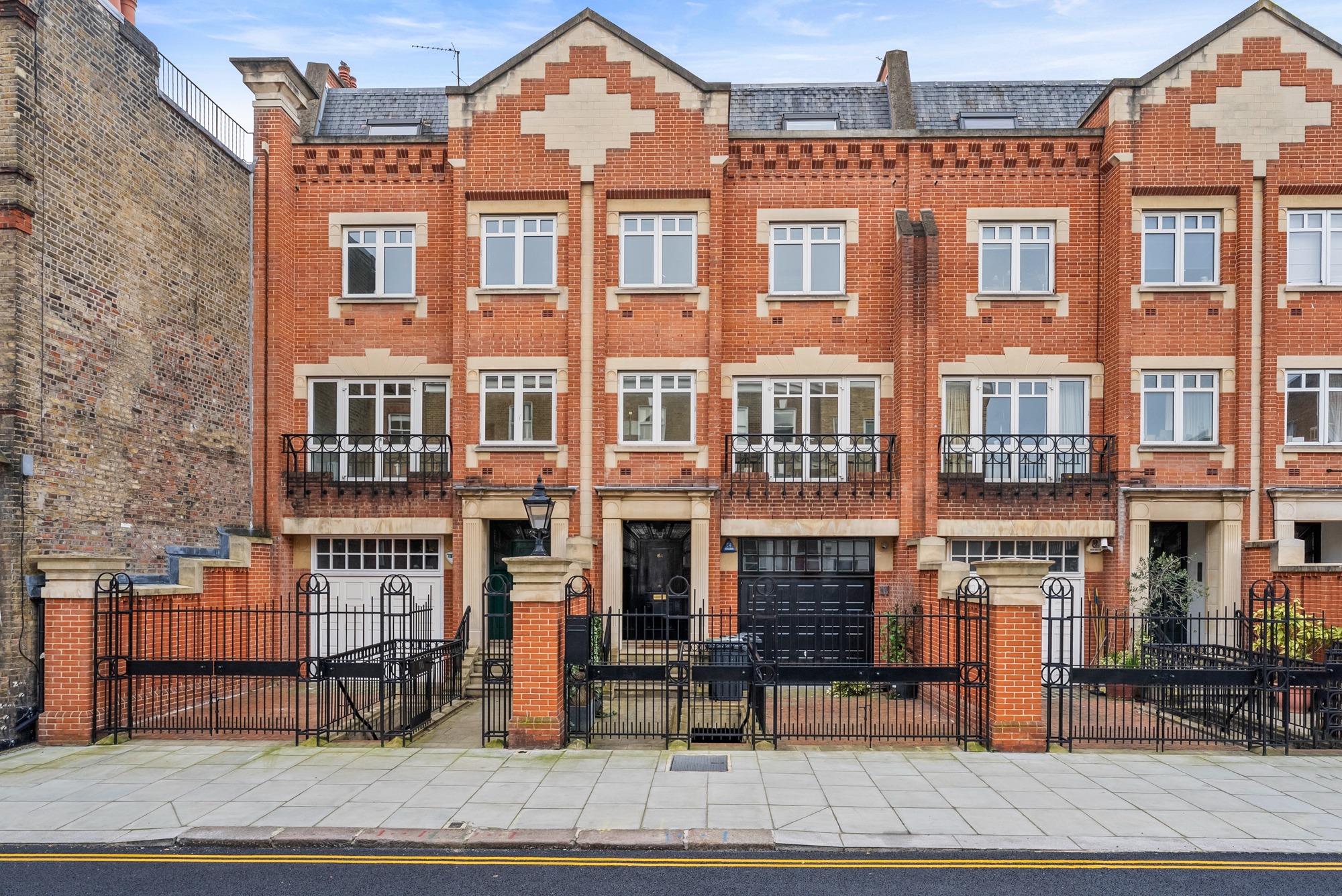
Flood Street
7 bedrooms · 5 bathrooms · 4,950 sq ft
£7,895,000View the home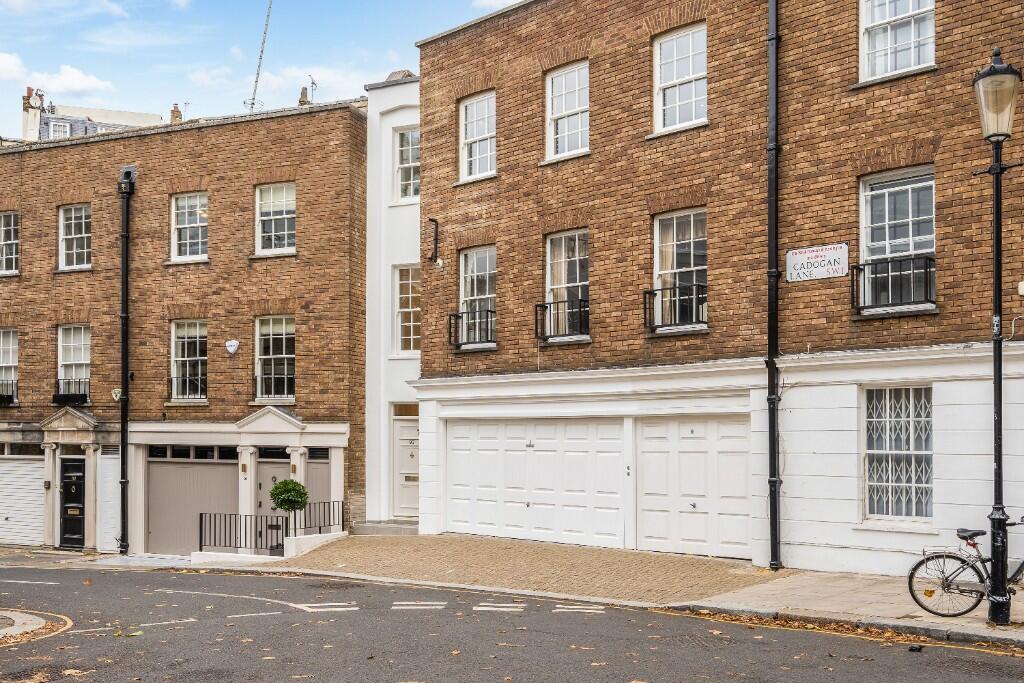
Cadogan Lane
3 bedrooms · 2 bathrooms · 1,582 sq ft
£2,995,000View the home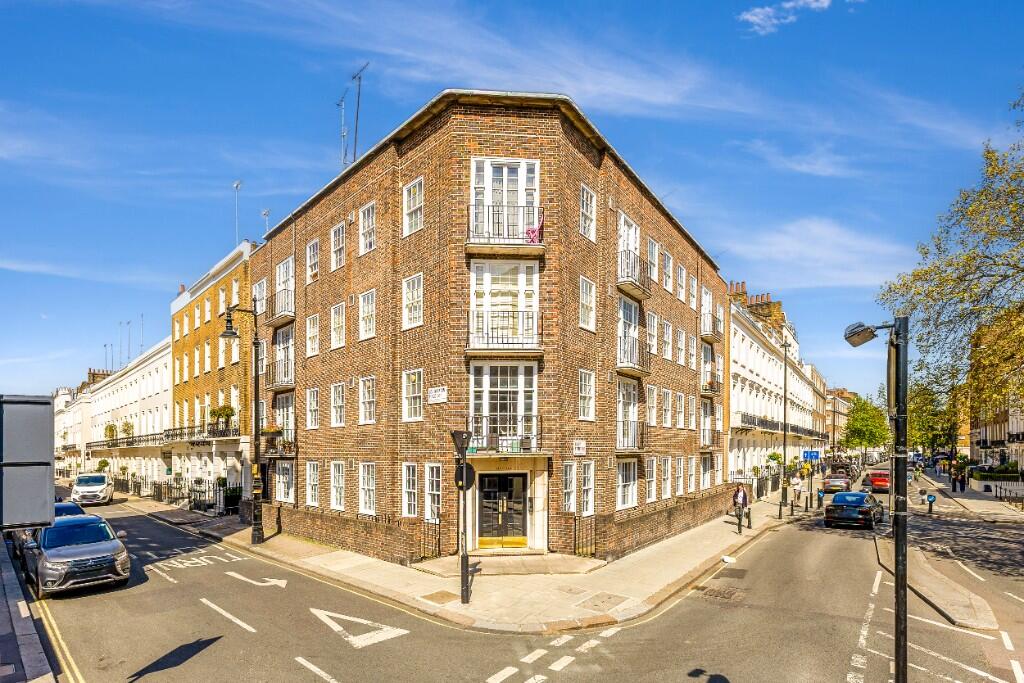
Ebury Street
1 bedroom · 1 bathroom · 575 sq ft
£695,000View the homeBefore a reduction, diagnose the response
When a campaign is quiet, ask where interest is being lost. Limited reach calls for a review of distribution and presentation. Many enquiries but few viewings call for a closer look at the particulars and qualification. Viewings without offers call for specific feedback about value, layout, condition and unresolved questions.
Those patterns suggest questions; they do not prove a cause. Look at the available evidence together before deciding whether to change the price, improve the information or alter the campaign. Record the purpose of each change and the point at which you will review it.
Ask for comparable asking prices and completed-sale evidence to be shown separately, with dates and differences explained. If a reduction is appropriate, connect it to a coherent new position. Repeated small changes without a clear reason can leave the home’s story just as uncertain as before.
What a serious buyer needs to know
Useful preparation starts with the questions someone will ask before committing time to a viewing. How does the accommodation work? What is included? What are the known ownership costs? Are the floor area, tenure and outdoor-space descriptions supported? Which documents are ready, and which require clarification?
The funding conversation matters too. Establish whether a buyer needs to sell another property, arrange finance or work to a particular timescale. This is a matter of understanding the transaction, not assuming that a particular address or budget guarantees readiness.
Mark’s view: Good marketing creates the opening. Clear information and consistent follow-up make the next conversation worthwhile. Measure qualified enquiries, viewings, feedback and offers alongside attention and reach.
A Belgravia result, kept in perspective
KnokKnok’s published Caroline Terrace campaign records an exchange at £4.1m, with Mark involved in positioning and negotiation. It provides a concrete result to discuss when considering representation. It does not establish what another Belgravia home is worth or promise a similar outcome.
The case study sets out the approach and the questions another owner can take into a campaign. The result is reported as an exchange; it is not presented as a Land Registry completion record. Follow the Caroline Terrace link below for the full account.
Your next move
- Build a relevant comparison set, separating asking and achieved prices.
- Decide which feature or combination of features makes the home worth viewing.
- Assemble the property and building information before the launch.
- Agree the level of public exposure and how buyer access will work.
- Give each campaign change a purpose and an agreed review point.
- Keep one named person responsible for feedback and the next decision.
Bring the address, a floorplan if available and an outline of your plans. From there, Mark can discuss a personal valuation, the appropriate presentation and whether a private or public campaign makes sense for your home.