
There is a point in preparing a home for sale when tidying becomes editing out its personality. The books disappear. The colour goes. The interesting chair is replaced by something that could belong anywhere.
Everything is immaculate. I am just not sure I would remember it.
It is the question behind my ‘Is your house too perfect?’ reel. How much should we change to appeal to a buyer, and how much of the home should we have the confidence to keep?
The house we all remember
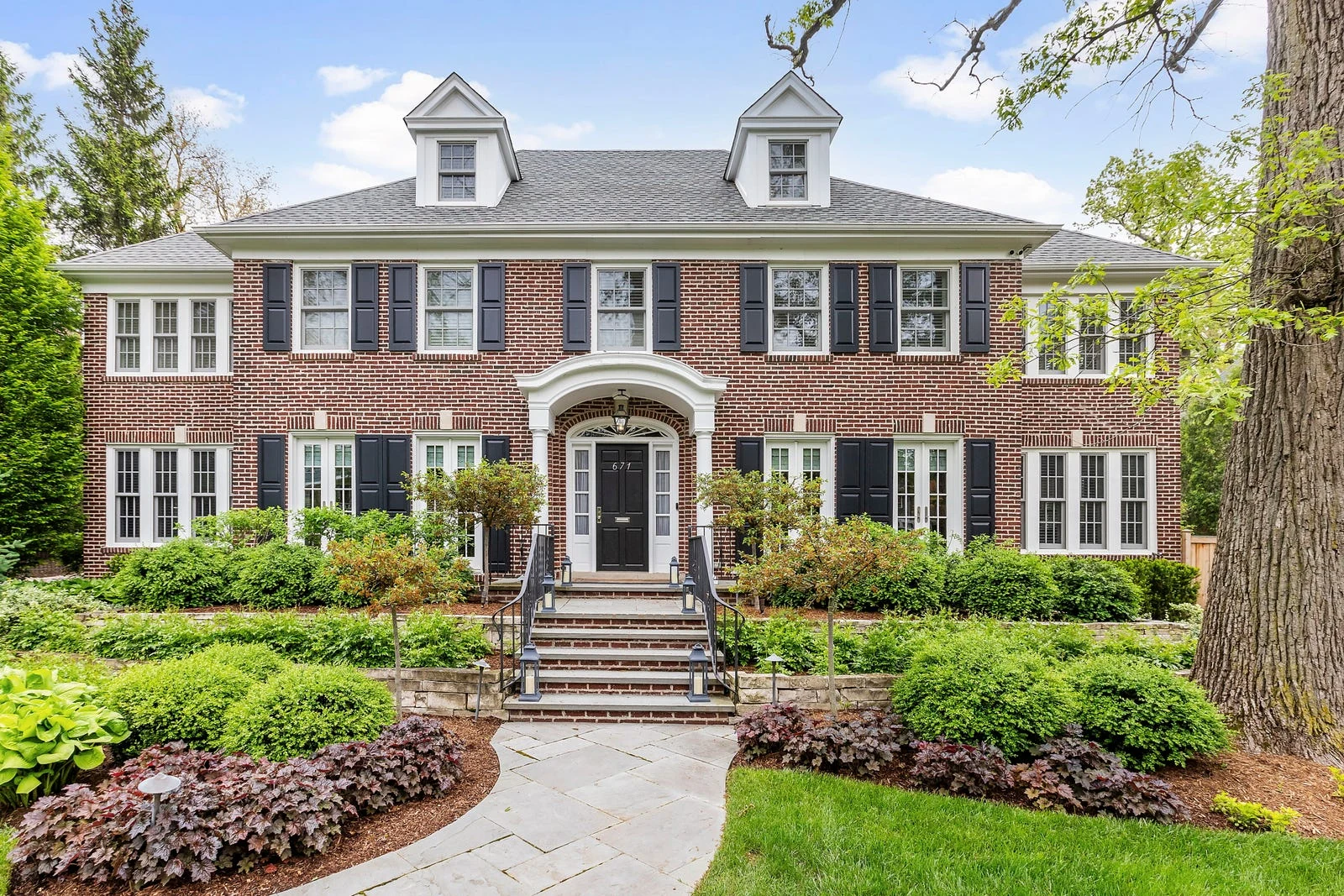
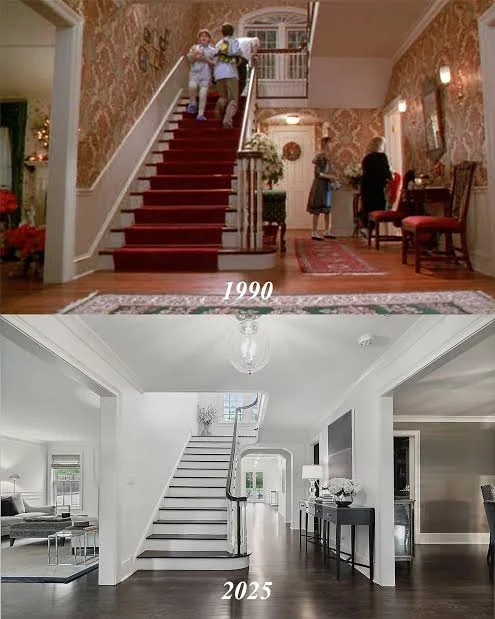
Think of Home Alone. The red brick, the staircase, the rich colours and the slightly chaotic feeling of a family getting ready to leave. The house has a personality before Kevin has even been left behind.
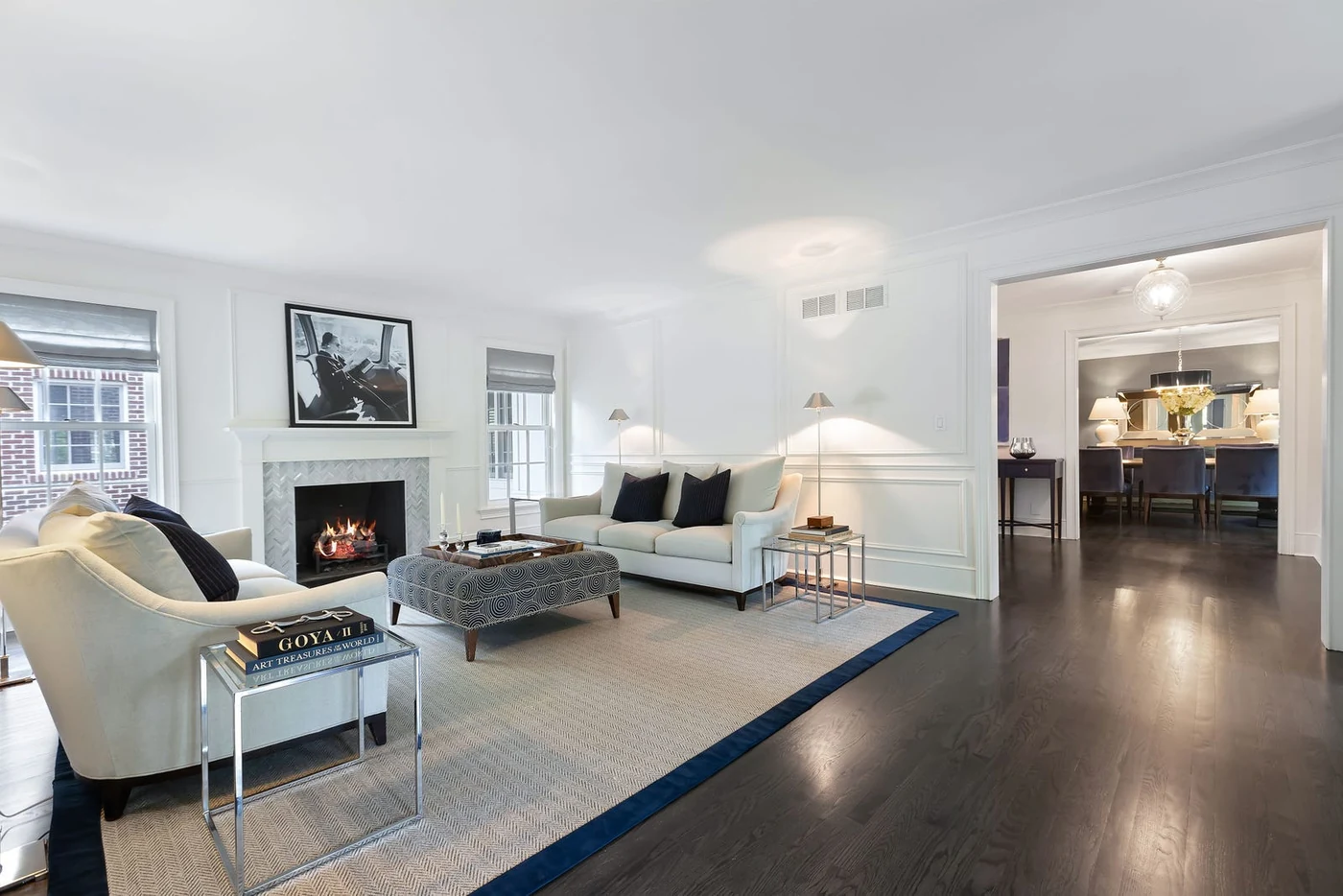
When the real property in Winnetka, Illinois, came to market in May 2024 at $5.25 million, the listing photographs offered a much paler picture. White walls, dark timber floors and restrained furnishings. The brick exterior was familiar; the atmosphere inside felt very different from the film.
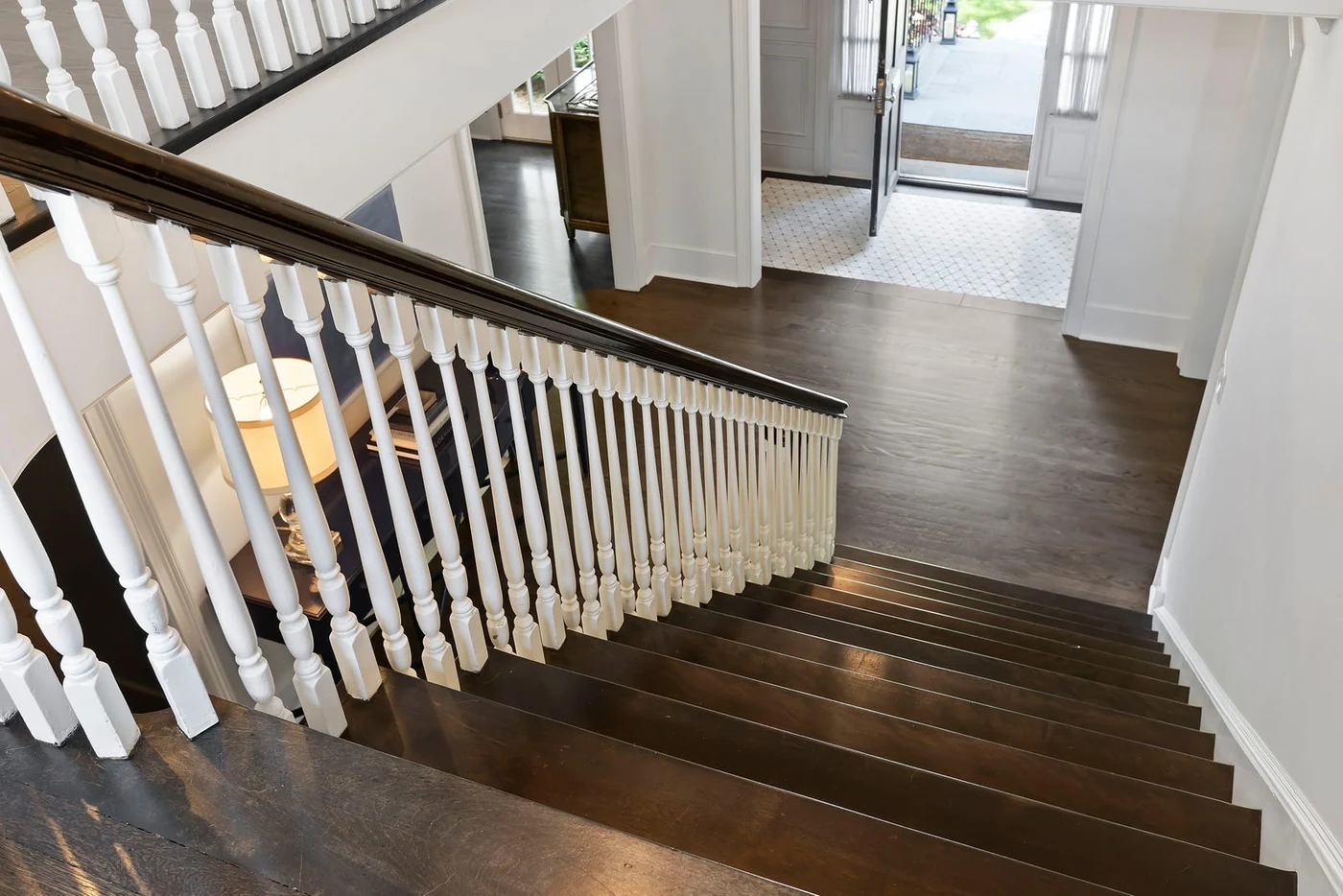
The property had been renovated and expanded in 2018. The selling agent’s description says the foyer, staircase and formal reception spaces largely retained their form and structure. It would be unfair to describe it as a house with every architectural detail removed.
There is another distinction: many of the film’s interiors were sets. The rooms on screen are not a complete photographic record of the real house before renovation. The listing photographs reproduced here date to 2024; the film comparison supplied alongside them illustrates the difference in atmosphere.
But as a question of taste, I would take more of the warmth, texture and personality we associate with the film. You can enjoy a new kitchen and a well-planned home without making every room feel as though it has been reset to the same specification.
What are we asking a buyer to fall in love with?
Bring that question back to London. A tiled entrance in a Streatham terrace. A fireplace in a Chelsea flat. The joinery, proportions and generous windows of a family house in Clapham.
Those features give a home an identity. Before replacing or covering something simply because it is old, I would ask what it contributes to the room. Does it give the space a focal point? Does it explain the age and style of the building? Would the room be less interesting without it?
Taste is personal. Some buyers want a quiet, neutral interior. Others are drawn to colour and layers. My view is that preparing a home well means understanding its appeal and making that easier to see. A blanket instruction to paint everything white misses that conversation.
Give the character room to work
Start with the practical jobs: repairs, clean windows, working lights and clear routes through the rooms. Make the layout understandable. Then look at what deserves to stay.
Keep the features that belong to the building. Original doors, cornicing, fireplaces and floorboards deserve consideration before a pre-sale makeover sweeps them away.
Leave a little life in the photographs. A few books, a good lamp, artwork and a favourite chair can help someone imagine how a room is used. Clear enough clutter to see the space; keep enough personality to make it feel inviting.
Use colour with purpose. You may want to soften a scheme that overwhelms a small room, but there is no requirement for every home to look identical. A considered colour can make joinery, proportions or a fireplace easier to appreciate.
Discuss substantial spending before committing. A buyer may have different plans for the kitchen or bathroom. Work out which changes help the proposed sale and which are simply your own taste.
Character still needs the right campaign
A lovely room does not settle the asking price. The property still needs relevant comparisons, accurate information and a campaign that reaches suitable buyers. Character is not a guaranteed price premium.
The Home Alone house is a useful prompt for this conversation, rather than proof that one decorating style sells better. Coldwell Banker’s record now shows it sold for $5.5 million. A famous American house cannot tell us what a London buyer will pay for your home.
What we can do is notice the details worth showing. Let the film capture the light across the floor, the connection to the garden and the features that make the home recognisable. Let the photography explain the rooms clearly. Give someone a reason to remember the address.
A home can be beautifully presented and still feel like a home.
Before reaching for another tin of white paint, ask yourself: what would you miss if it disappeared?